
 Transaction Monitoring
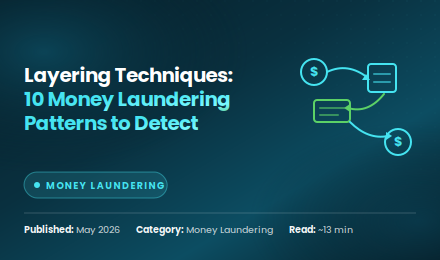
Layering Techniques: 10 Money Laundering Patterns to Detect
Layering is the most operationally complex stage of money laundering — the part where proceeds are moved through transaction chains specifically designed to obscure their origin. This guide…
 Transaction Monitoring
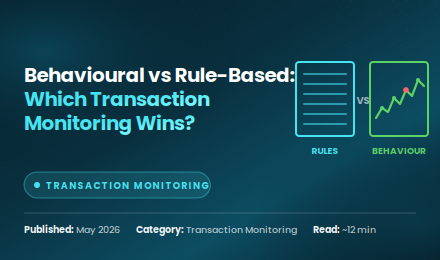
Behavioural vs Rule-Based Transaction Monitoring: Which Works Better?
Behavioural and rule-based transaction monitoring are often presented as competing approaches. They are not. This guide explains where each is structurally stronger, where they overlap, how regulators view…
 Transaction Monitoring
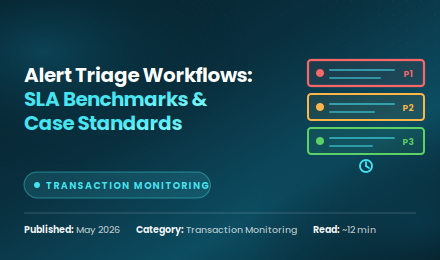
Alert Triage Workflows: SLA Benchmarks & Case Handling Standards
Alert triage is where transaction monitoring becomes operational compliance. This guide covers the priority tiers regulators expect, the SLA benchmarks production programmes use, the escalation thresholds that distinguish…
 Transaction Monitoring
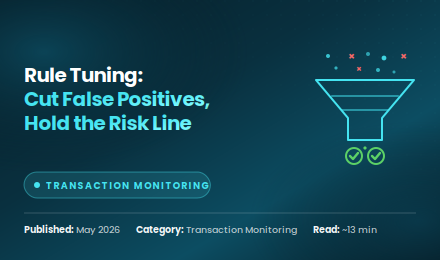
 Rule Tuning: Reduce False Positives Without Adding Risk
False-positive rates of 95%+ are the operational norm in transaction monitoring — and most of the noise reduction available is achievable without weakening detection. This guide covers the…
 Transaction Monitoring
6 Signs Your Transaction Monitoring System Is Generating Too Many False Positives
A transaction monitoring system generating excessive false positives is not merely an operational inconvenience — it is a compliance failure. When analysts are overwhelmed by low-quality alerts, genuine…
 Transaction Monitoring
What Is Transaction Monitoring in Banking?
Transaction monitoring is the automated process banks and regulated firms use to detect suspicious activity across customer payments in real time. Learn how it works, what regulations require…