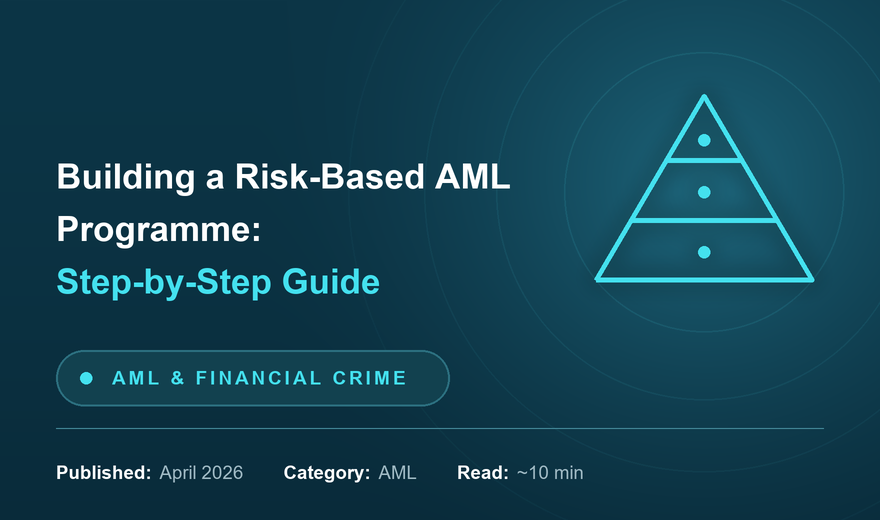
A risk-based AML programme requires eight documented steps — from firm-wide risk assessment and CDD design through to transaction monitoring, sanctions screening, SAR processes, governance structures, and staff training — each capable of being demonstrated.
AML Compliance in the Crypto Industry: FATF Travel Rule Explained
The FATF Travel Rule requires virtual asset service providers to obtain, verify, and transmit originator and beneficiary identity data alongside qualifying transfers — making it the most technically demanding AML obligation facing the crypto industry today.
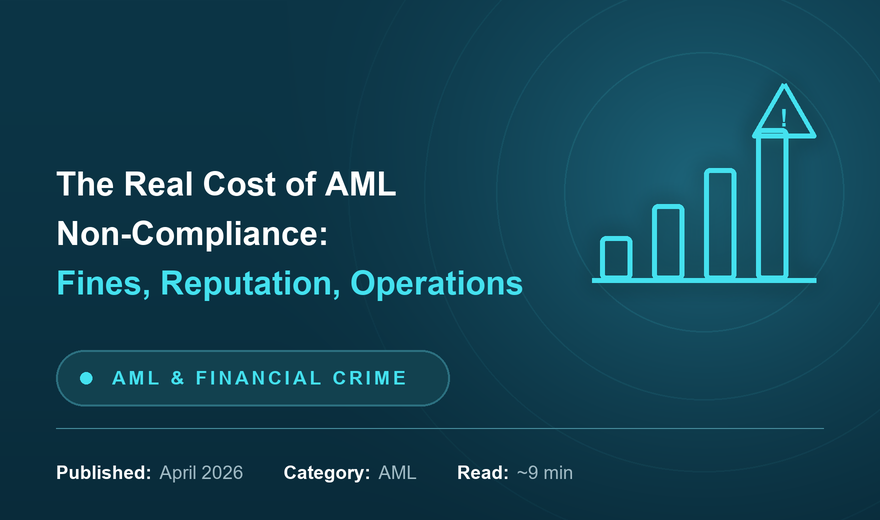
The Real Cost of AML Non-Compliance (Fines, Reputation, Operations)
The headline fine is typically the smallest component of AML non-compliance costs. The full impact encompasses remediation programmes, business restrictions, legal fees, reputational damage, and — in the most serious cases — criminal prosecution of individuals.
How to Choose AML Transaction Monitoring Software: 7 Criteria
Choosing AML transaction monitoring software requires evaluating detection quality, false positive rates, real-time capability, system integration, scalability, regulatory alignment, and case management workflow — because the cost of a monitoring failure vastly exceeds the cost of a well-specified platform.
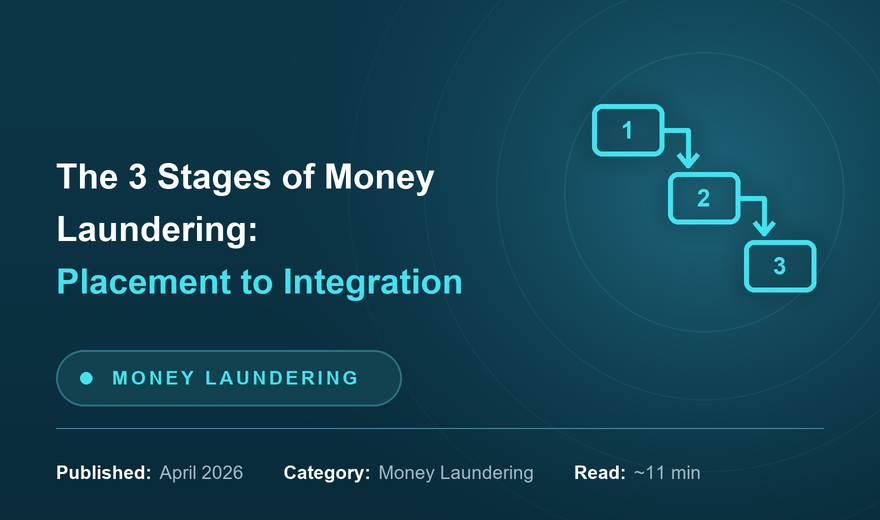
The 5 Stages of Money Laundering Compliance Officers Must Know
The traditional three-stage model — placement, layering, integration — is necessary but insufficient. Compliance officers must also understand the predicate offence and the concealment mechanisms operating throughout the entire laundering process
What Is a Suspicious Activity Report (SAR) and When Must You File One?
A Suspicious Activity Report is a mandatory legal disclosure filed with financial intelligence authorities when a firm suspects a customer or transaction is connected to money laundering, terrorist financing, or the proceeds of crime.
What Is AML Compliance? A Complete Guide for Financial Institutions | One Constellation
AML compliance is the legal framework of policies, controls, and procedures that every regulated financial institution must implement to detect, prevent, and report money laundering. This guide covers the five core pillars, key regulations across the UK, US, EU, and Middle East, and how technology is modernising compliance programmes.
AML vs KYC: Understanding the Differences, Ensuring Compliance, and Adopting Best Practices
AML is the overarching regulatory framework; KYC is one of its most critical components — and confusing the two leads to compliance gaps that regulators actively penalise. This guide clarifies how the two relate and what best-practice implementation looks like across multiple jurisdictions and client types.